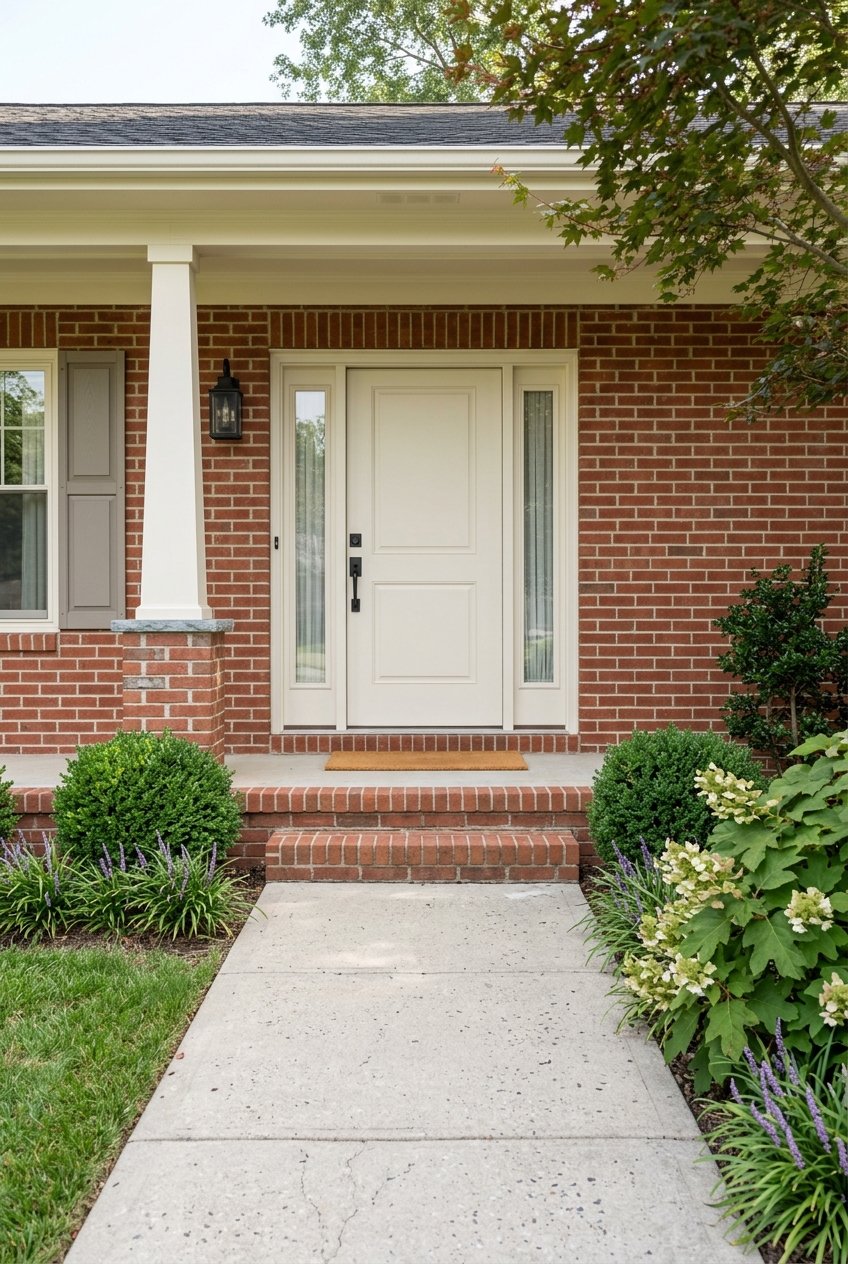
What Really Shapes Clarksville TN Home Values Over Time
April 16, 2026
April 16, 2026
Wondering why some Clarksville homes seem to hold their value better than others, even when the market feels mixed? If you are buying, selling, or simply trying to understand your home’s long-term potential, it helps to know that home values usually do not move because of one headline or one month of data. In Clarksville, values are shaped over time by inventory, mortgage rates, local jobs, population growth, and the features that make one area more in demand than another. Let’s dive in.
If you look up Clarksville home prices online, you may see different numbers and wonder which one is right. The truth is that each source measures something a little different.
Zillow’s home value index shows an average home value of $316,024 as of February 28, 2026, down 0.4% year over year. Redfin’s Clarksville housing market data shows a February 2026 median sale price of $325,000, up 4.9% year over year, with homes taking about 96 days to sell. Realtor.com’s Clarksville market snapshot reports a median listing price of $344,900 and about 2,036 homes for sale, while describing the market as balanced.
These numbers are not actually in conflict. Zillow uses a model-based value index, Redfin tracks closed sales, and Realtor.com focuses on active listings and market balance. For you as a buyer or seller, the key point is simple: Clarksville looks more steady than overheated right now.
One of the biggest forces behind home values over time is supply. When more buyers are chasing fewer homes, prices often rise faster. When inventory builds and homes sit longer, buyers usually gain more negotiating room.
According to Realtor.com’s Clarksville data, there were 2,036 homes for sale, down 1.18% year over year, and the median days on market was 69 days, up 27.78% from a year earlier. That combination suggests inventory is still meaningful, but homes are generally taking longer to move than they did during more aggressive market periods.
Clarksville and Montgomery County are also growing, which keeps long-term pressure on housing. The U.S. Census Bureau estimates Clarksville’s population at 185,690 in 2024, up 11.4% from 2020, while Montgomery County reached 246,025, up 11.8%. Growth like that helps support housing demand, even as new construction adds supply.
The county recorded 2,583 building permits in 2024, according to the same Census quick facts data. That tells you new homes are being added, but population growth can still keep the market competitive enough to support values over time.
Even in a healthy local market, mortgage rates can change what buyers are able to afford. That matters because affordability often sets the ceiling for how fast home values can rise.
Freddie Mac reported the average 30-year fixed mortgage rate at 6.37% for the week ending April 9, 2026. That was down from 6.46% the prior week and 6.62% a year earlier, but it is still high enough to affect monthly payments in a meaningful way.
If you are buying, this is why your monthly payment may matter just as much as the list price. If you are selling, it helps explain why pricing strategy matters more in a balanced market. When borrowing costs stay elevated, buyers tend to be more selective, and homes that feel overpriced can sit longer.
Home values are also tied to the strength and stability of the local economy. People need income and job confidence to buy homes, renew leases, or make a move-up purchase.
The Bureau of Labor Statistics Clarksville metro page shows a 3.7% unemployment rate in January 2026, along with a civilian labor force of 143.1 thousand and nonfarm employment of 107.8 thousand. The area’s jobs are spread across several major sectors, including government, trade and transportation, manufacturing, education and health services, and leisure and hospitality.
That kind of job diversity matters because it helps support housing demand through different market cycles. It does not make Clarksville immune to broader economic changes, but it does give the area a broader base than a market built around just one employer or industry.
Income also matters when you look at long-term sustainability. The Census Bureau reports a median household income of $75,613 in Montgomery County and $69,303 in Clarksville city. In general, price points that stay closer to local purchasing power tend to have stronger long-term support.
Clarksville’s growth story is one reason values have had support over time. More people usually means more demand for housing, whether that demand comes from buyers, renters, or families relocating into the area.
The city also has a different ownership mix than the county as a whole. The Census Bureau reports an owner-occupied housing rate of 55.6% in Clarksville city compared with 61.9% in Montgomery County. That matters because renter demand, investor activity, and owner-occupant demand do not always move in the same direction.
For you, that means broad citywide averages only tell part of the story. Some parts of Clarksville may react differently based on housing type, tenure mix, and who is most active in that part of the market.
Fort Campbell is one of the clearest long-term demand anchors in the Clarksville area. Military-related moves create a steady flow of housing demand, both for rentals and for homes purchased by buyers who expect to be here for a period of time.
According to MilitaryINSTALLATIONS, Fort Campbell supports more than 241,910 persons, and 66% of assigned soldiers and their families live off post in nearby Tennessee and Kentucky counties, including Montgomery County. That is a major reason Clarksville housing demand has remained active across many price points.
The same source notes that about 24% of Clarksville-Montgomery County School System students are military dependents. This helps explain why relocation patterns, commuting options, and access to day-to-day amenities can all influence value trends in different parts of the city.
Not all value drivers are about rates or inventory. Sometimes a home’s location within Clarksville plays a big role in long-term appeal.
The City of Clarksville Parks & Recreation department says it maintains 1,000 acres across 21 parks. The city’s trail network includes the Clarksville Greenway and the Cumberland Riverwalk, a four-mile trail along the Cumberland and Red Rivers. Downtown also benefits from destinations like F&M Bank Arena, a 5,500-seat venue used for basketball, concerts, and events.
Amenities like parks, trails, and entertainment do not automatically raise prices on their own. Still, they can support demand in nearby areas because buyers often value convenience, outdoor access, and everyday lifestyle features.
One of the most important things to understand is that Clarksville does not have one single value story. Price trends can look very different depending on where you are.
Realtor.com shows median listing prices of $422,900 in ZIP code 37043, $329,950 in 37040, and $316,000 in 37042. That spread shows how much micro-location matters.
Different price levels can reflect factors like commute patterns, lot size, housing age, available inventory, and proximity to amenities. In practical terms, if you are buying or selling in Clarksville, your best comparison set is usually not the whole city. It is the homes most similar to yours in your immediate area.
If you are buying in Clarksville, focus on long-term fit as much as short-term pricing. A home’s value over time is likely to be shaped by the same things driving the market now: supply, affordability, jobs, population growth, and location.
It helps to pay close attention to:
In a balanced market, you may have more room to compare options and negotiate than you would in a fast-moving seller’s market. That can be an advantage if you stay focused on value, not just asking price.
If you are selling, today’s market rewards preparation and realistic pricing. Buyers still have demand, but they are also more payment-sensitive and more selective than they were when homes sold almost instantly.
That means your home may hold value best when you focus on the factors you can control:
In a market where inventory is balanced and days on market have increased, standing out matters. Good strategy can make a real difference.
Over time, Clarksville home values are driven by a mix of forces, not one simple trend line. Supply levels, mortgage rates, local jobs, population growth, military-related demand, and neighborhood-specific appeal all work together to shape what buyers are willing and able to pay.
That is why broad headlines only go so far. If you want to understand what drives value for your specific home or your next move, local context matters. When you are ready for guidance tailored to your goals, connect with Mary Mccooley for practical, data-informed help in the Clarksville market.
Whether you're buying your first home, relocating with the military, or preparing to sell your property, working with Mary McCooley means working with someone who is all in—for you.