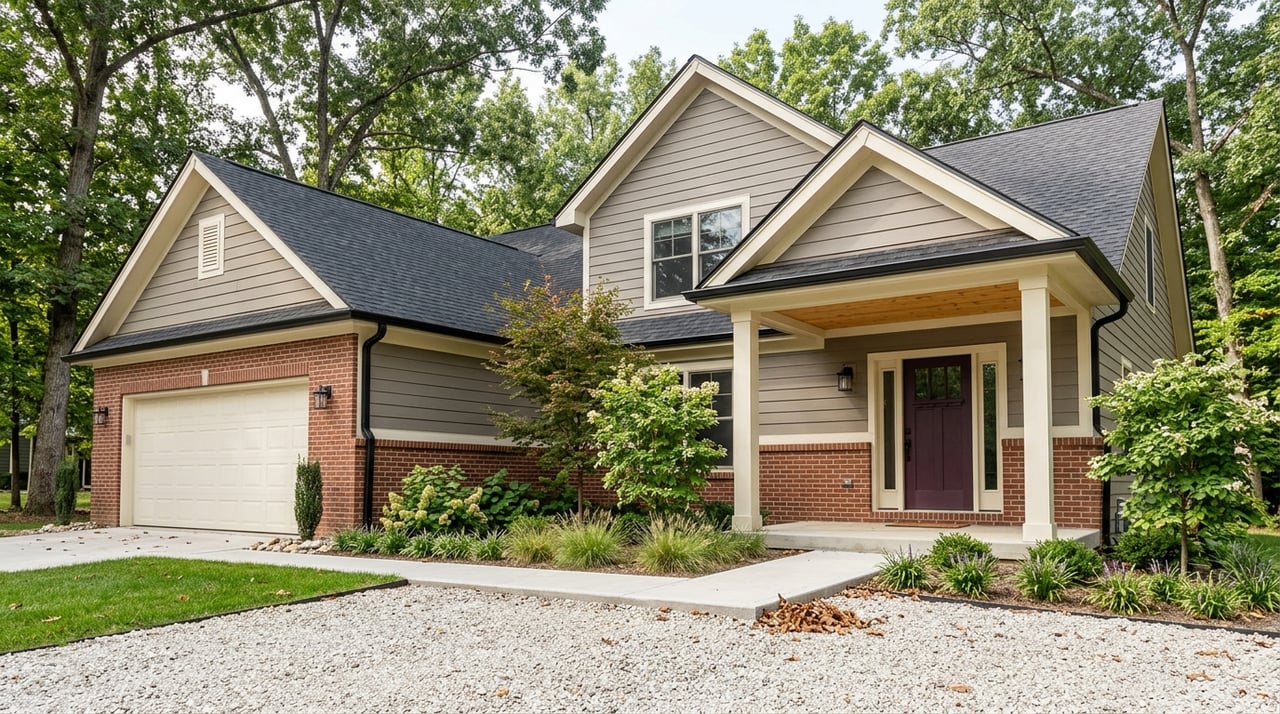
Buying a Cabin Home in Dover: What to Check First
May 14, 2026
May 14, 2026
Dreaming about a cabin in the woods or a country home near the water in Dover? It is easy to picture the peaceful setting, weekend fishing trips, and extra space to spread out. But rural property comes with a different set of questions than a home in a typical neighborhood. This guide will help you focus on the details that matter most in Dover, so you can buy with more confidence and fewer surprises. Let’s dive in.
Dover offers a mix that is hard to ignore if you want a quieter lifestyle or a getaway property. As the county seat of Stewart County, it sits on the Cumberland River and is close to Land Between the Lakes National Recreation Area.
That nearby recreation area covers more than 170,000 acres between Kentucky Lake and Lake Barkley, with about 300 miles of shoreline. For many buyers, that means a cabin or country home here can serve as a weekend retreat, a full-time residence, or something in between.
In a market like Dover, the value of a property is often tied to more than the house itself. Access to outdoor recreation, river or lake proximity, and the condition of the land can all shape how useful and enjoyable the property will be over time.
One of the biggest mistakes buyers make with rural property is assuming utilities work the same way they do in town. In Dover, that can lead to costly surprises if you do not verify service before you close.
Inside Dover city limits, the Town of Dover provides both water and wastewater service. The town states that its wastewater system serves all of the town, including about 650 residences and businesses, and some locations use individual grinder pumps.
That means you should confirm the exact setup for the property you are considering. Do not rely on assumptions based on the listing description alone.
If a property is inside town, it may be served by Dover water. But the only safe move is to verify the exact address and utility arrangement with the town and the seller.
If the property uses a private well instead, well testing should move to the top of your due diligence list. Private wells are not regulated under the federal Safe Drinking Water Act, and annual testing is recommended for items like coliform bacteria, nitrates, total dissolved solids, and pH.
A rural home may be connected to town wastewater, served by a septic system, or use a grinder pump as part of its sewer setup. Each option comes with different upkeep and inspection needs.
If the home has a septic system, Tennessee requires a septic system construction permit for installation or repair. Tennessee guidance also makes it clear that neglected septic systems can become expensive quickly, so inspection history and current condition matter.
If the property has a grinder pump, ask practical questions before closing:
In Stewart County, electric service is provided by Cumberland Electric Membership Corporation. The utility states that new service requires photo ID, right-to-occupy documentation, a membership fee, a meter-set fee, and in some cases a security deposit.
For vacant land, cabins off rural roads, or homes that have been unused for a while, power access should be checked early. Line extensions can add cost, and that is something you want to know before you are deep into the transaction.
A pretty cabin does not help much if getting to it is difficult, uncertain, or expensive to maintain. In rural Stewart County, road access deserves careful review.
The county publishes road-report and road-acceptance information through the highway department. Its road-acceptance standards show how specific the requirements are for a road to become county maintained, including a 50-foot recorded right of way, a 22-foot roadbed, crushed limestone, proper drainage, and grade limits.
For you as a buyer, that sends a clear message. Not every road is county maintained, and private-road responsibility can be a major issue.
Before you buy, make sure you know:
These questions matter even more if you plan to use the property year-round instead of only as a seasonal getaway.
Water access can be part of the appeal in Dover, but it also means flood risk needs careful attention. Properties near the Cumberland River, lake inlets, or lower ground should be reviewed closely.
FEMA states that the Flood Map Service Center is the official place to view flood hazard maps. FEMA also stresses that there is no such thing as a no-risk zone.
If the parcel shows flood exposure, discuss flood insurance early in the process. It is much better to understand that cost and risk upfront than to discover it late in the deal.
Land Between the Lakes is a major draw for buyers who love outdoor recreation. At the same time, living near a large federally managed recreation area comes with practical considerations.
If a property borders or sits near Land Between the Lakes, confirm any boundary or access questions with the Forest Service. Because the area is used for recreation and licensed hunting, nearby public-land activity can affect privacy, noise levels, and seasonal use patterns.
That does not make a nearby property less appealing. It simply means you should understand how the setting functions in real life before you commit.
A standard home inspection is important, but it may not be enough for a cabin or country home in Dover. Rural properties often need extra attention in a few key areas.
The most important checks often include the water source, septic system, drainage, moisture conditions, and any nonstandard sewer equipment. Older cabins and homes with basements or crawlspaces may also need added testing.
Based on the property’s setup and condition, your checklist may include:
CDC notes that elevated indoor radon can increase lung cancer risk. This is one of those items that can be easy to overlook, especially if you are moving quickly or buying a second home from out of town.
A country property can have details that do not show up clearly in photos or marketing remarks. That is why public records matter.
In Tennessee, residential property is assessed at 25% of appraised value, while county tax rates are set locally. In Stewart County, the assessor, trustee, and register of deeds offices are located in the Dover courthouse area on Donelson Parkway, making it practical to verify tax bills, deed history, and recorded easements.
If you are buying a cabin that may become your primary home later, it is also worth knowing that Tennessee offers tax relief and tax-freeze programs for qualifying homeowners. That may matter more if the property shifts from a second home to your main residence.
If you want a quick way to stay organized, start here:
Buying a cabin or country home in Dover can be rewarding, but it usually involves more moving parts than buying in a standard subdivision. Utility setup, road maintenance, flood exposure, and land-use details all deserve a closer look.
That is where local experience can make the process feel much more manageable. When you have someone helping you ask the right questions early, you are more likely to avoid delays, surprise costs, and last-minute stress.
If you are thinking about buying a cabin or country home in Dover, Mary Mccooley can help you sort through the details, connect you with the right local resources, and guide you through the process with clear, hands-on support.


Whether you're buying your first home, relocating with the military, or preparing to sell your property, working with Mary McCooley means working with someone who is all in—for you.