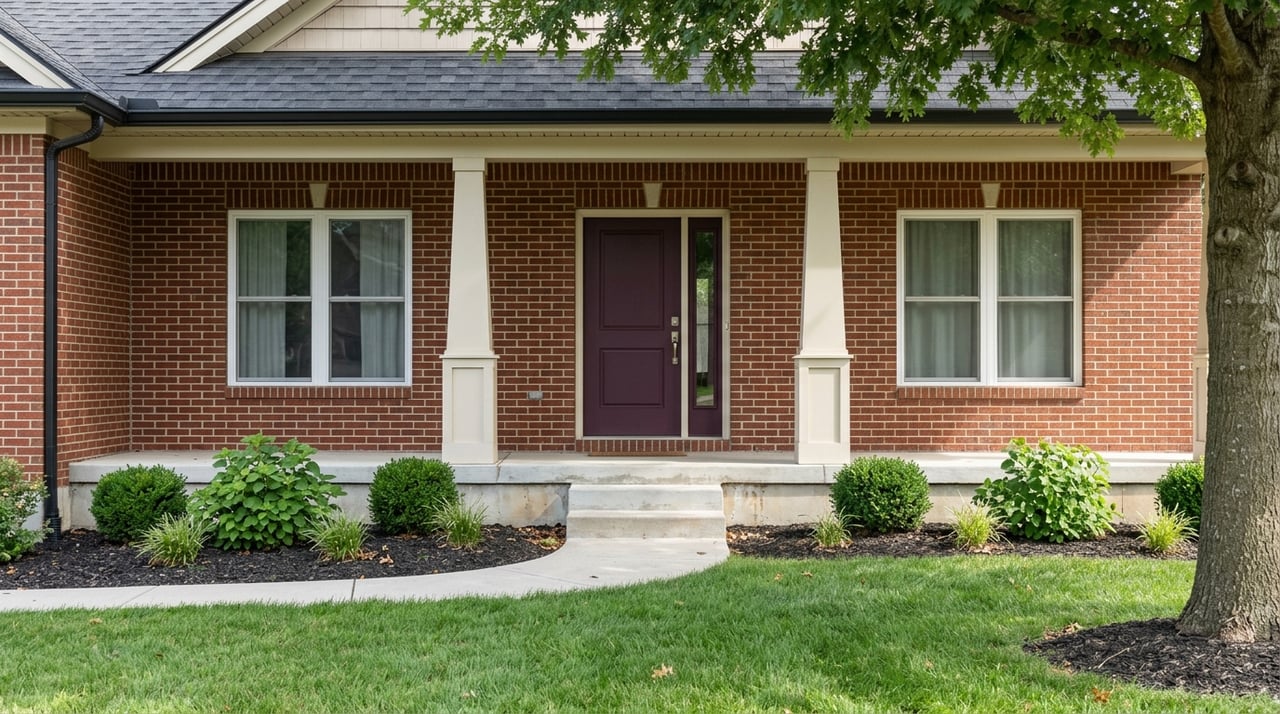
Historic Charm Or New Construction In Springfield
June 25, 2026
June 25, 2026
If you are torn between a home with original character and a brand-new layout, Springfield gives you a real choice. This is not a market where “historic” and “new” mean the same thing they do everywhere else, and that can make your decision feel both exciting and a little overwhelming. The good news is that once you understand how Springfield’s older homes, newer builds, and growth patterns differ, you can narrow in on what fits your lifestyle and budget. Let’s dive in.
Springfield is the county seat of Robertson County, and the city says it is about 30 minutes from downtown Nashville. That location gives you a smaller-city setting with access to a major job and entertainment hub nearby.
At the same time, Springfield is planning for growth. The city’s 2044 Comprehensive Plan for Growth is meant to guide future development, while the Planning Commission reviews residential plats and commercial site plans. In other words, where and how homes are built in Springfield is being shaped by a local framework, not random expansion.
That matters when you compare historic charm to new construction. Older homes tend to reflect Springfield’s established core, while many newer homes are more likely to show up in growth corridors, subdivision edges, or rural fringe locations.
Springfield’s historic identity is easy to spot around the downtown core. The Town Square Historic District is a four-block area with 34 historically or architecturally important buildings surrounding the Robertson County Courthouse.
The district is known for its classic courthouse-square setting and late Victorian commercial character. Because it sits atop a hill overlooking town, it creates the kind of small-town backdrop many buyers picture when they think about historic Tennessee charm.
Older residential areas in Springfield offer more than one architectural style. Historic survey documentation points to Colonial Revival and Queen Anne as especially prominent, while Prairie, Dutch Colonial, Eastlake, Carpenter Gothic, and Bungalow/Craftsman homes also appear in the city’s older housing stock.
That variety is important. If you are shopping for a historic home in Springfield, you are not looking at one uniform style. You may find ornamental turn-of-the-century details in one area and simpler early-20th-century forms in another.
One of the biggest draws of an older home is the setting. Historic homes in Springfield often sit in more established in-town areas, where the streetscape, lot layout, and mature surroundings create a settled neighborhood feel.
Lot sizes can vary, but local examples show that older homes may sit on modest lots or larger in-town parcels. A 1916 home on North Oak Street is listed on 0.23 acre, while a 1924 home on 5th Avenue East is listed on 0.61 acre.
That means you should not assume every historic home comes with a tiny yard. In Springfield, older homes can offer a range of lot sizes while still giving you that classic in-town setting.
Character often comes with extra responsibility. Homes built before 1978 are more likely to contain lead-based paint, and renovation work or deteriorating paint can create lead dust that needs careful management.
Older homes can also need efficiency upgrades over time. Poor air sealing can make a home less comfortable and more expensive to maintain, which is why buyers of older properties often need to think about insulation, draft reduction, and other retrofit work.
If the home is inside Springfield’s Historic Preservation District, there is another layer to understand. The city’s municipal code says exterior changes, demolition, moving buildings, and new construction within the district require review through the Historic Preservation Commission and a Certificate of Appropriateness before work can begin.
For you, that does not mean a historic home is a bad fit. It simply means you should go in with open eyes, a realistic repair budget, and patience for approvals if you plan visible exterior updates.
New construction in Springfield is more varied than many buyers expect. It can include a home in a subdivision with HOA dues, but it can also mean a newer build on a much larger parcel outside the denser in-town core.
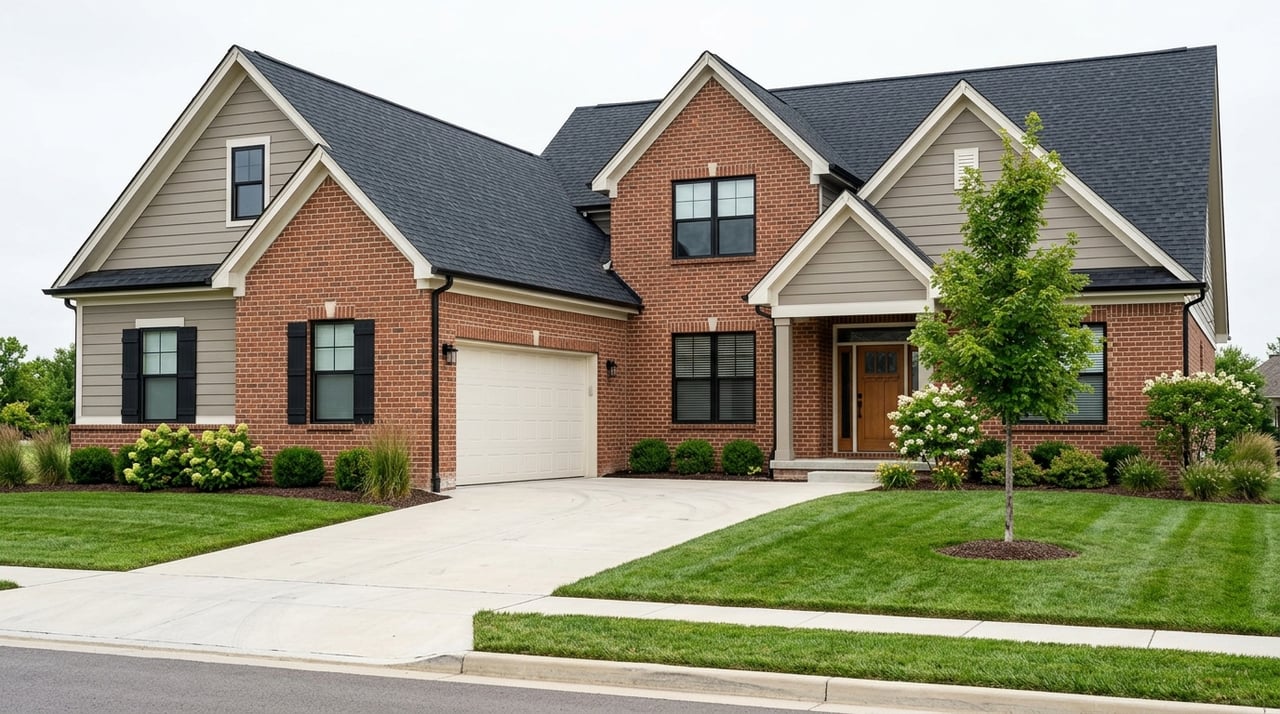
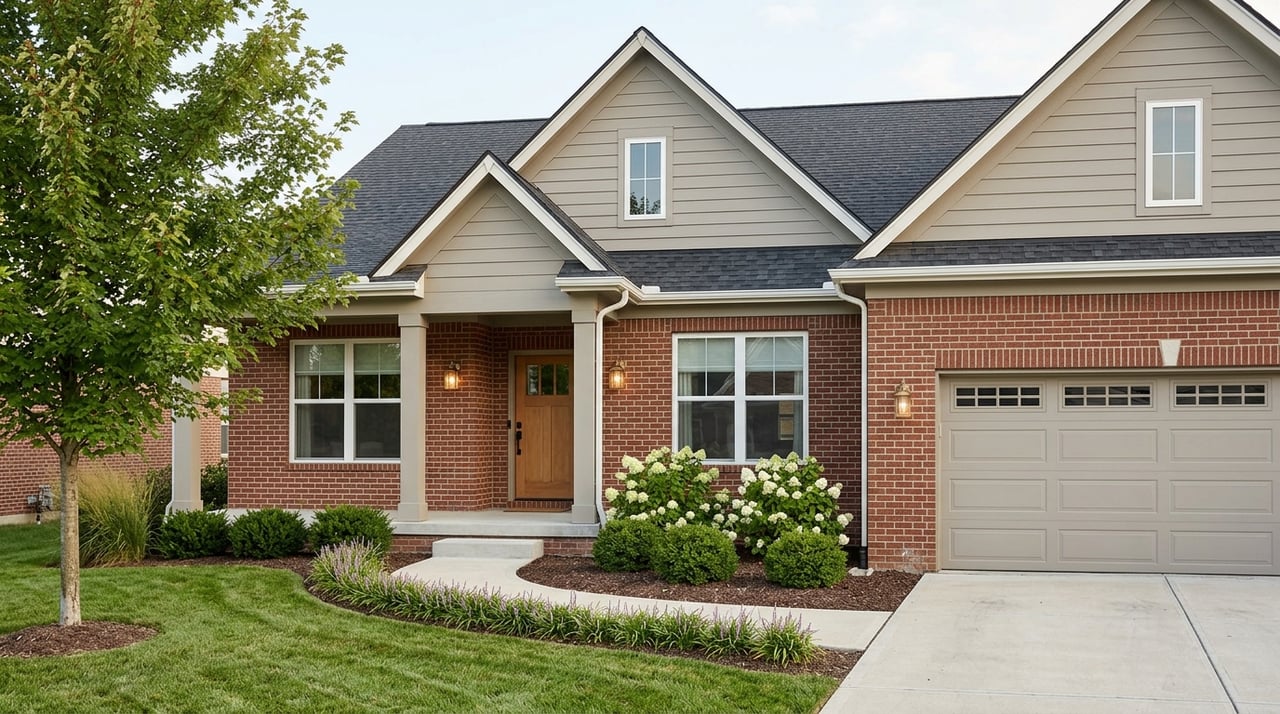
Current local examples show modern ranch plans, open floor plans, 10-foot ceilings, custom cabinets, granite counters, covered outdoor spaces, and attached garages. One listing in a newer subdivision notes a 0.46-acre lot and $50 per month HOA dues, while other examples show newer homes on 2-acre and 2-plus-acre sites.
That local nuance matters. In Springfield, new construction does not always mean compact suburban living. You may have options that feel suburban, semi-rural, or more spread out, depending on where you look.
For many buyers, the biggest appeal of new construction is simplicity. A newer home often gives you a more modern layout, a cleaner starting point for maintenance, and fewer immediate retrofit projects.
Energy performance can be part of that appeal too. It is generally more cost-effective to add insulation during construction than to retrofit it later, and a well-built new home can be designed as a whole system for comfort, efficiency, and durability.
That does not guarantee every new home will feel the same. Still, if you want a home that may require fewer near-term updates and offers features many buyers already expect, new construction can check a lot of boxes.
It is easy to think of a new build as a blank slate, but local oversight still matters. Springfield’s Building & Codes Department handles permitting, inspections, property maintenance complaints, and plan review for future development throughout Robertson County.
That should give buyers some reassurance. New construction in Springfield is part of a local review process, not just a quick build with no structure behind it.
Your decision is not only about finishes and age. It is also about how you want your day-to-day life to feel.
If you are drawn to downtown activity, historic Springfield may stand out. The city’s 1st Fridays event in Historic Downtown Springfield invites people to stroll, shop, dine, and enjoy live music, and the city also hosts holiday carriage rides through the historic downtown area.
That kind of event-based environment supports a classic small-town square lifestyle. If you like being near an established downtown with recognizable architecture and community gatherings, a historic-area home may feel like a natural fit.
Newer homes often deliver a different rhythm. Many are designed around open interiors, garages, and outdoor space, which can suit buyers who want a more modern daily setup and a little more separation from the historic core.
Springfield also highlights that it is a full-service city with electric, natural gas, water, wastewater, and sanitation services. Combined with access to Nashville, that can make newer areas appealing to buyers who want practical convenience without living in a dense metro setting.
| Feature | Historic Homes | New Construction |
|---|---|---|
| Setting | Established in-town areas, often near the historic core | Subdivision edges, growth areas, or semi-rural locations |
| Style | Wide mix of older architectural styles | Modern layouts and newer finishes |
| Maintenance | More likely to need updates or retrofit planning | Often more predictable near-term maintenance |
| Efficiency | May need air sealing and insulation improvements | Often built with comfort and efficiency in mind |
| Renovation Process | Visible exterior work may need review in historic areas | Permitting and inspections still apply, but fewer historic design controls |
| Lot Options | Can range from modest lots to larger in-town parcels | Can range from subdivision lots to acreage |
If you love original architecture, established surroundings, and a classic town-square atmosphere, a historic home may be worth the extra planning. You may be more comfortable with renovation projects, ongoing maintenance, and the review process that can apply in the Historic Preservation District.
If you prefer open layouts, current finishes, and a more predictable maintenance outlook, new construction may feel easier. That can be especially appealing if you want fewer immediate projects and a home designed around modern living patterns.
It also helps to think about your timeline. If you want to move in and focus on daily life right away, a newer home may offer a smoother start. If you enjoy the idea of preserving character and making thoughtful upgrades over time, an older home may be more rewarding.
Finally, think beyond labels. In Springfield, not every historic home has a small lot, and not every new home sits in a tight subdivision. Looking at the specific property, location, and long-term upkeep matters more than relying on a category alone.
Springfield offers a rare kind of flexibility. You can lean into courthouse-square character and older architecture, or you can choose a newer home with modern design and a different kind of ease.
Neither option is automatically better. The right fit comes down to how you want to live, how much maintenance you want to take on, and whether you are drawn more to established charm or a fresh start.
If you want help sorting through Springfield homes and comparing what makes the most sense for your goals, Mary Mccooley can guide you with practical advice and hands-on support.
Whether you're buying your first home, relocating with the military, or preparing to sell your property, working with Mary McCooley means working with someone who is all in—for you.